
Starting, we have good intentions; we’ll be disciplined and attend church every week or spend time with God more than once daily. The reality, as with all things, is more challenging. You miss one daily devotional, and the next thing you know, it’s been a week, and your month-long streak is gone.
This is a good thing. The Bible teaches us that our failings are meant to move us into action, make us more aware of how we need to change and motivate us to form new habits and eliminate the bad ones. Faith is hard because it is supposed to make us different.

What do the faith journey and our failings ultimately teach us?
We go through life and try our best, sometimes we succeed but many times we fail. We face hardships and joy, sorrow and shame. Every moment of our lives serves a greater purpose, whether a teachable moment or a time to celebrate.
James 1:3 says, ‘because you know that the testing of your faith produces perseverance’ and to consider it joy when we face hardships. When we persevere, it is an opportunity to develop patience and spend more time with Him; as we suffer or experience extensive periods of waiting for answers or results, we learn to become more reliant on God and the promise that He will work things for good as it says in Romans 8:28. It is difficult, but it is meant to be; otherwise we will not grow and eventually become complacent in our faith.
Job 12:10 says, ‘In his hand is the life of every creature and the breath of all mankind’.
God holds us in His hand, and He has ultimate control. Yet out of His love for us, He gave us free will, desiring that we would choose Him just as He chose us. We constantly choose to put our desires before His sometimes without meaning to, but it happens. This makes us seem ungrateful for all He has done and will do for us. Why is it that we don’t want to do what would please God? The devil has taken us in, and we have believed the lie that whatever we want is better than God. What does this tell us? That we don’t trust Him.

We must remember what Colossians 1:17 tells us ‘He is before all things, and in Him, all things hold together.’ We must let go of our need to control and give it all to God. We need to leave our doubts and worries behind, just as it says in Matthew 6:34:
‘Therefore, do not worry about tomorrow, for tomorrow will worry about itself. Each day has enough trouble of its own.’
I don’t know about you, but when I think about God, I am sometimes overwhelmed by His greatness. He made this whole world down to each grain of sand and each unique person. We are made in His image, which I struggle to comprehend daily because when I think of God, I think of this perfect deity and wonder how something so flawed could be His creation, but then I remember sin exists, and it all makes sense.
Sometimes I sit and wonder what God looks like, this perfect being who created our world. It’s never the same image that comes to mind; sometimes, it’s a bunch of clouds with the sun shining through or a vague fatherly-shaped figure with outstretched arms. I know that God is a spirit (John 4:24) and that while we are sinful beings, we cannot look upon His face, but I cannot help but be curious. I am a person who likes to see before believing, so you can imagine how long it took me to be convinced about God. But faith is not about seeing. It is about having the confidence to believe without seeing (Hebrews 11:1, 2 Corinthians 5:7). Trusting in the unseen, the invisible. We can trust His promises even when we cannot know the way ahead.
God is in everything, and He is everywhere. When we want to see Him, we can in the beauty of a sunset or the detail of a tree. We may not know what God looks like, but one day we will live in Heaven and see Him in all His glory (1 John 3:2).
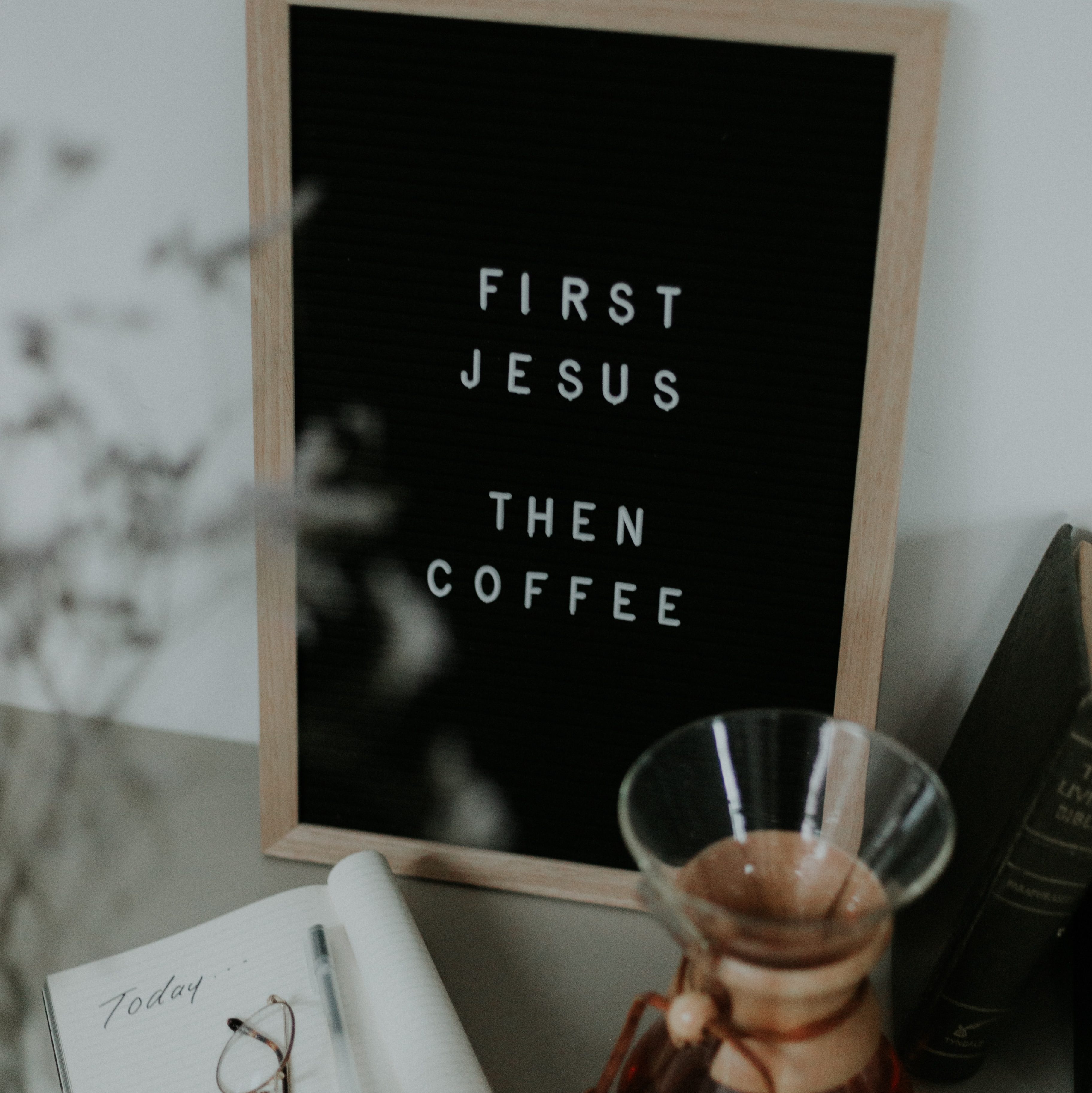
Why do we fail?
There are reasons we continually fail that aren’t because of sin. I’ve found three, to be precise. The first is a lack of belief.
It is possible to follow through with being a Christian, like attending church each week and calling yourself a Christian without actually believing. Even the demons believe Jesus is real (James 2:19) but do not have faith.
Many of us doubt if we are saved anyway in the beginning, but God knew that would happen and gave us 1 John, our guide to knowing if we are saved. I’ll list some questions below, and if you answer all or most of them as yes, then you can consider yourself saved and leave the doubts behind. I sourced these questions from the Got Questions website, which is a great resource.
Do you enjoy having fellowship with Christ and other believers? (1 John 1:3)
Would people say you walk in the light or darkness? (1 John 1:6-7)
Do you admit and confess your sin? (1 John 1:8)
Are you obedient to God’s Word? (1 John 2:3-5)
Does your life indicate you love God rather than the world? (1 John 2:15)
Is your life characterised by “doing what is right”? (1 John 2:29)
Do you seek to maintain a pure life? (1 John 3:3)
Do you see a decreasing pattern of sin in your life? (1 John 3:5-6)
Do you demonstrate love for other Christians? (1 John 3:14)
Do you “walk the walk” or just “talk the talk”? (1 John 3:18-19)
Do you maintain a clear conscience? (1 John 3:21)
Do you experience victory in your Christian walk? (1 John 5:4)
Remember that we are imperfect and cannot always fulfil all of these. Another sign of saving faith is by the fruits of the Spirit (Matthew 7:20) and if you hear the voice of Jesus and obey it (John 10:27-29).
Faith becomes real when we put it into action
Genuine faith is believing in God, confessing to sin, and obeying Jesus’ commands. It is saved by grace through faith (Ephesians 2:8-9), and our works should display our reality as believers (James 2:17-18).
The second reason we fail is due to a lack of commitment. As I mentioned before, it is possible to commit without having faith, but it is not possible to believe without committing (Luke 14:28). For as James 2:26 tells us, faith without deeds is dead.
The third reason is lack of knowledge. There are two parts to this: failure to be informed – not getting in the Word, for example (Matthew 6:25) – and inexperience – the moments where we step out in faith (Galatians 5:25). As our lives conform to God’s will, our experience grows.
Solutions to our failings
So we fail a lot, we’re only human, but we can discipline ourselves to do better. We can form new habits and make routines. We can change our priorities to put God first in our lives and know that if we are not putting Him first, then we probably shouldn’t be doing it.
How can we better commit ourselves to God?
- Dedicate undisturbed time with God daily to talk to Him and study His Word.
- Obey His commands quickly.
- Come to Him first when we are confronted with hardships.
- Talk to Him often.
- Learn to love what He loves.
- Don’t give in to negative pressure from others trying to lead us astray.
- Do not listen to worldly wisdom.
- Be honest with God, repent and admit failures.
- Renew the desire to know God.
- Ground ourselves in the truth and let the Spirit expose disbelief (Mark 9:24).
There are always more things we can do to have stronger faith, and I have another post about that, but I figured a shorter list would be enough this time.
Similar Posts
- Facing Challenges with Faith: Trusting God’s Guidance & Strength in Difficult Times
- Mindset + Faith = Freedom
- 6 Ways to Nurture a Strong Faith
- How to Walk by Faith
- Why is being faithful important?
- What does it mean to be faithful?
References
Got Questions. (2022) Faith vs. belief—what is the difference? Available at: Faith vs. belief—what is the difference? | GotQuestions.org [Accessed 14 April 2023]
Wegman, H. (2015) Modern Day Idolatry: Putting Anything Before God. Available at: Modern Day Idolatry: Putting Anything Before God | Opinion News (christianpost.com) [Accessed 18 April 2023]
Got Questions. (2022) What are some of the signs of genuine saving faith? Available at: What are some of the signs of genuine saving faith? | GotQuestions.org [Accessed 20 April 2014]


 Wholeheartedly Faithul
Leave a reply to Facing Challenges with Faith: Trusting God’s Guidance & Strength in Difficult Times – Wholeheartedly Faithful Cancel reply