
During the Christmas season, Nativity scenes are everywhere from pictures on Christmas cards to Nativity plays. But is it still important? Or has it lost its relevance?
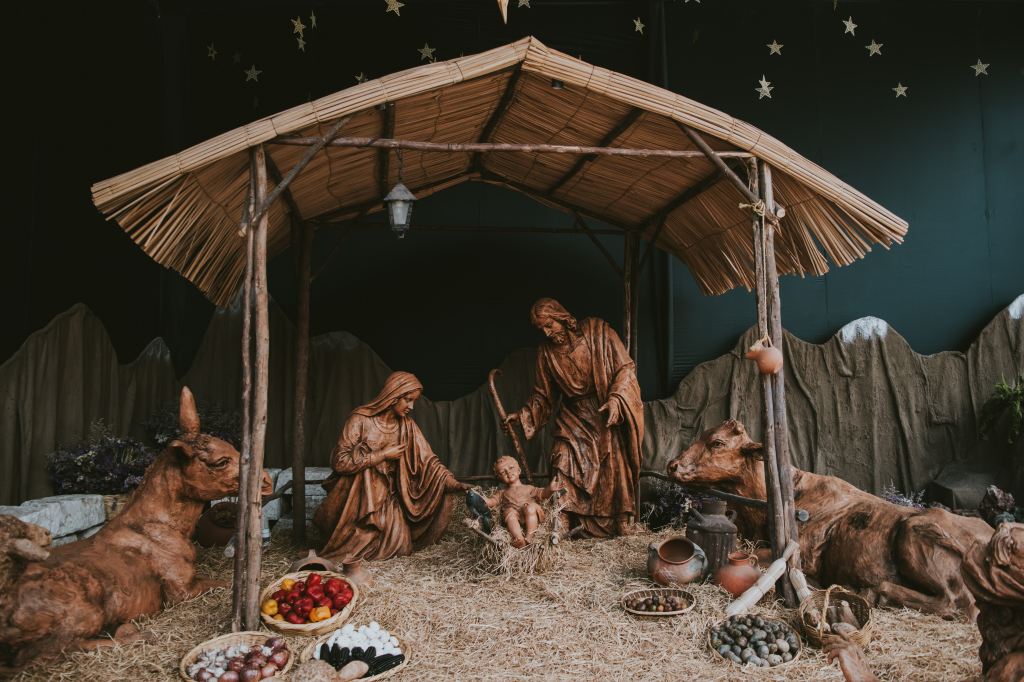
As Christians, the Nativity still holds much importance, but it sometimes gets lost in the madness of the season. From carol services to Christmas markets and holiday parties (not to mention all of that Christmas shopping) the Christmas season can make us very busy and even if we are still going to church and Nativity plays are we really taking it in the way we should?
We can hear the Nativity story and see it in pictures multiple times a week, but do we ever take a moment to stop and reflect on it? I think not. Usually, we end up moving on to the next thing like usual forgetting to pause for a moment and thank God for the gift that the Nativity story begins.
What is the Nativity?
Let’s remind ourselves of what the Nativity is. The Nativity in any form be it a play, a picture, or the Bible passages tells the story of Jesus’ birth.
“Then she gave birth to her firstborn son, and she wrapped him tightly in cloth and laid him in a manger, because there was no guest room available for them.”
Luke 2:7
Based on Luke 2:7, the Nativity scene shows Jesus in the manger with Mary and Joseph. Usually, it shows the shepherds with their sheep and the magi with their camels. Sometimes it shows cows and donkeys and angels.
Nativity scenes are not biblically accurate all the time because we are not told angels were in the room when Jesus was born, and the magi appeared after the shepherds when Jesus was older (a toddler perhaps). But despite these inaccuracies they do not take away from the purpose of the Nativity which serves as a reminder of why we celebrate Christmas: Jesus’ birth, the incarnation of God in the flesh and thereafter the one who saves us through his death and resurrection. If it were not for Jesus’ sacrifice to pay the death penalty for our sin none of us would be saved, none of us would reach Heaven but God loves us so much He did this for us. He became flesh and came to die so that we could live in eternity with Him.
“For God loved the world in this way: He gave his one and only Son, so that everyone who believes in him will not perish but have eternal life.”
John 3:16
God became man to show us the meaning of life. The Prince of Peace born in poverty showed us what was important even as a baby: the simple things, contentment, family, friends and love. He came to show us that to live is to love and do it wholeheartedly, he preached that sentiment in every miracle and act of kindness. He shows love to everyone with open arms.

Jesus brought light to the darkness by coming at night, just as the Word of God gives us the light of truth against the darkness of the enemy’s lies. By coming to Earth and living a normal life like we do (miracles aside of course), God shows us how our lives are intertwined with Him. Jesus lived a sinless and selfless life that we can only hope to attain, but through Him, it is possible. When we come to Him, repent and become His children, we find our salvation in Him and our true purpose: to worship and serve Him.
What does the Nativity remind us of?
The Nativity reminds us of more than Jesus’ birth and the events that led up to it. It reminds us that sharing our faith can be a simple thing, that we often make it more complicated and stressful than it needs to be. The Nativity story provides us with a simple and beautiful way to share Jesus with the world. God gave us all a command to go into the world and share the good news with others, to spread joy and hope and truth and the Nativity gives all of that.
The Nativity reminds us of God’s love for us. God came down to our level and became flesh in the form of Jesus. He came down from Heaven to be among His creations and showed us how we should be living through Jesus. In His love for us, Jesus was sent to die so that our sin punishment was fulfilled, and we can join Him in eternity.
We are reminded through Jesus’ humble beginnings that we too should be humble and serve and love others just as Jesus did. To be kind and generous and forgiving just as he was. Jesus showed us the importance of love and gentleness and that living the way he did paves the way to a better world where people are not outcasts but are loved despite their flaws and differences. He showed us the importance and joy of community. The Nativity reminds us of everything Jesus did and how there can be joy in the ordinary and mundane.
It reminds us of our past, our childhood memories and the joy we had. The Nativity reminds us that our love should be pure and simple just like a child’s is. We are reminded once more to share that love with others, to love as Jesus loves us. The Nativity brings history to life and touches our hearts in a way that reading the Bible cannot. Words are truly wonderful, and the scripture is living and active but seeing it represented in Nativity scenes or a play can move us emotionally in a way that words do not.
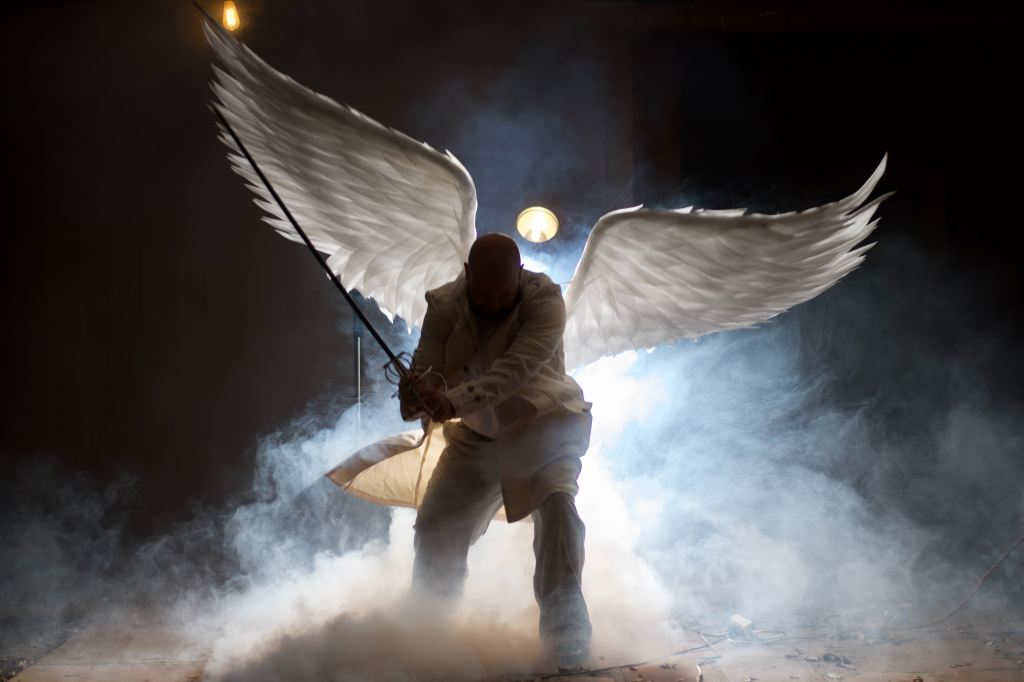
The animals and shepherds, the magi and angels, remind us that all creation rejoiced at the birth of Jesus, the arrival of the Messiah. The Nativity is a reminder and a call to worship and praise.
This wonderful story is a reminder not to be tempted by the temporary things of this world or be persuaded by promises of wealth. Mary and Joseph found joy in the meagre conditions of Jesus’ birthplace, they found joy in the birth of their son Jesus. They didn’t have much but still had joy, gratitude and faith. It is a reminder to be content with what we have and find joy despite our circumstances.
Every person who made their way to see Jesus from the shepherds to the magi and even the angels all came a different way. The magi had a long journey, the shepherds not so much but from this comes the reminder that every person is unique and their path to Jesus and with Jesus is unique. It also tells us that Jesus welcomes everyone regardless of wealth or social status.
Digging a little deeper
The Nativity story begins when the angel Gabriel comes to Mary and tells her she has been chosen to give birth to Jesus. Mary’s response is an example we should learn from.
“See, I am the Lord’s servant,” said Mary. “May it happen to me as you have said.”
Luke 1:38
It is important to remember that Mary was a child at the time, between 12 and 14 years old. At this time, unwed women having children were shamed and sometimes killed yet Mary was obedient to her calling regardless of the difficulties that would inevitably lie ahead.
Not only that but when she visits her cousin Elizabeth she sings a song of praise to God rejoicing in the calling that He has placed on her life. We read about this in Luke 1:46-55.
Like Mary we should be obedient in everything God asks us to do, obedient without complaint but with joy knowing that God is in control and with Him behind us everything will work out for good. Even if it is not our good, because sometimes in life we have to suffer so that others will see God’s goodness.
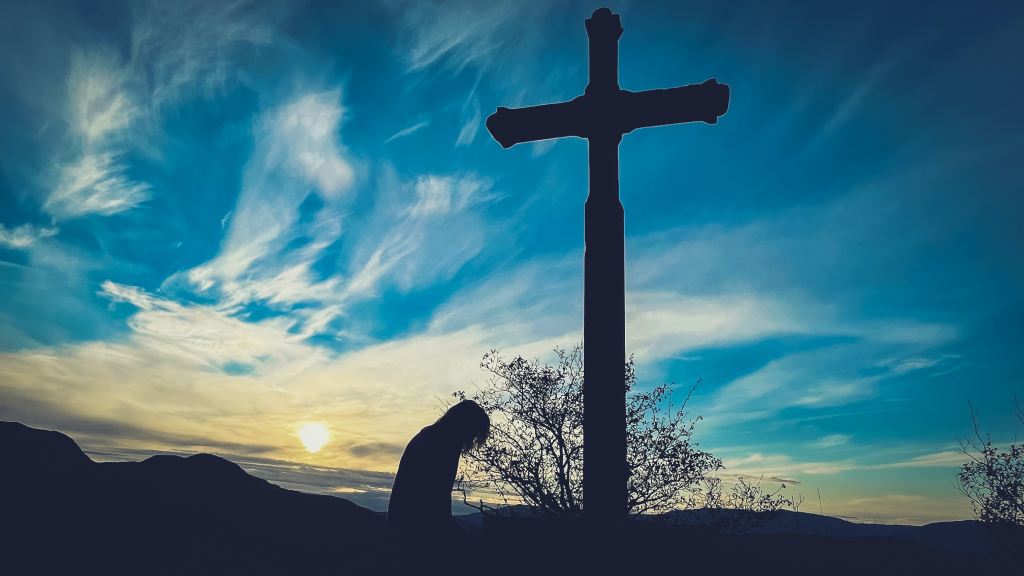
Joseph is also someone who we can draw inspiration from. A man of God who suddenly finds his fiancée is pregnant with a child that is not his. It’s no surprise that he wanted to divorce her but thanks to God’s interception he takes on the role of Jesus’ earthly father. Joseph will have faced many doubts but his faith and trust in God was stronger.
He is an example of what fathers should be like the guardian and protector of the family, leading them in worship and being a role model to his children of what Godly men should be like. We see an example of Joseph’s protection and faith in Matthew 2:14 when Herod was intent on killing Jesus.
“So he got up, took the child and his mother during the night, and escaped to Egypt.”
Matthew 2:14
Joseph sets an example of what it is to be led by the Holy Spirit and to surrender to God’s plan.
Now we come to the magi or the wise men who appear towards the end of the Nativity story. These men were wise because they knew this new star signified the birth of the king of the Jews and they travelled a long distance to show their respects and worship him. On arrival in Bethlehem, they presented their gifts of gold, frankincense and myrrh which hold meaning.
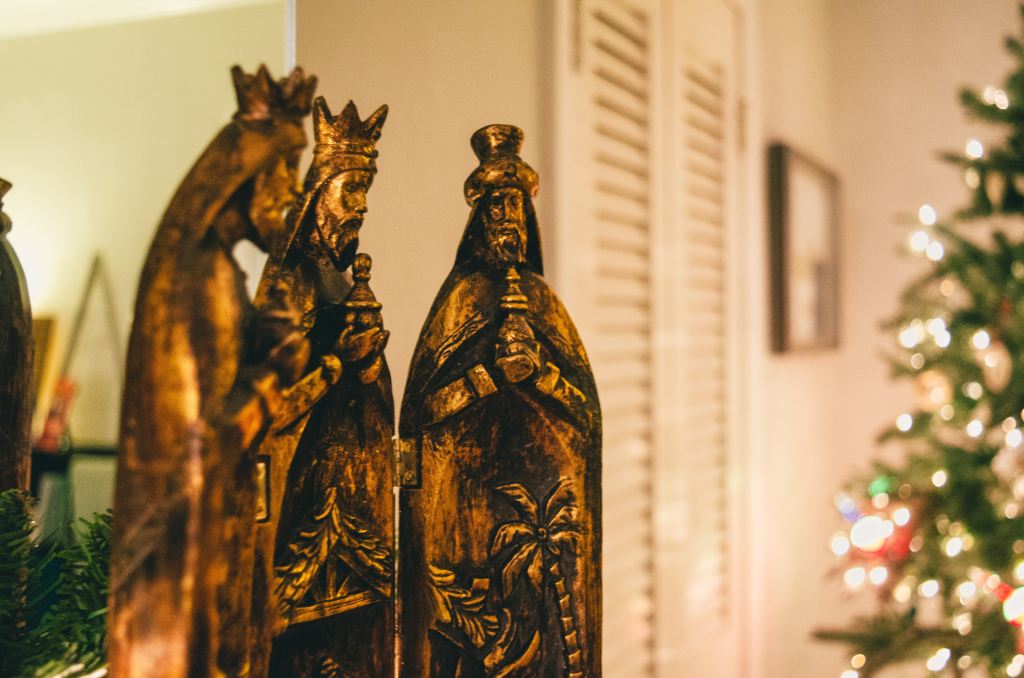
“Then they opened their treasures and presented him with gifts; gold, frankincense and myrrh.”
Matthew 2:11
Gold represents Jesus’ reign on Earth. It recognises his kingship. It can also symbolise wealth, purity, prosperity and holiness.
Frankincense symbolises Jesus’ divinity and his role as priest and king. It emphasises the holiness of Jesus and is often associated with royalty. Frankincense also symbolises prayer and worship, in Revelation it is used in heaven during worship.
“Another angel with a golden incense burner, came and stood at the altar. He was given a large amount of incense to offer with the prayers of all the saints on the golden altar in front of the throne. The smoke of the incense, with the prayers of the saints, went up in the presence of God from the angel’s hand.”
Revelation 8:3-4
Myrrh is a sign of Jesus’ sacred humanity and foreshadows his death.
“Nicodemus (who had previously come to him at night) also came, bringing a mixture of about seventy-five pounds of myrrh and aloes. They took Jesus’s body and wrapped it in linen cloths with the fragrant spices, according to the custom of the Jews.”
John 19:39-40

Lastly, we come to Jesus, the baby in the manger that is God become flesh. We read in Luke 2:7 that Mary laid Jesus in the manger, and this is where the importance lies. The manger is what animals eat out of and in John 6:41 Jesus calls himself the bread which came down from heaven.
“I am the bread that came down from heaven.”
John 6:41
Coincidence? I think not. This statement appears five times in John 6 which emphasises its importance. Not only is He the bread of Heaven but also the bread of life.
“I am the bread of life.”
John 6:35
The fact that Jesus was placed in the manger does not mean that Jesus is food in the physical sense, but it does mean that He is essential for life, eternal life specifically because without Jesus’ death and resurrection we would not be able to join Him in Heaven.
“The bread that I will give for the life of the world is my flesh.”
John 6:51
The fact that Jesus uses “I am” also has meaning because “I am” is the covenant name of God: Yahweh. In the verses that He uses, “I am” Jesus is telling the people of that time that He is God, but they didn’t understand like we do now.
“It is written: Man must not live on bread alone but on every word that comes from the mouth of God.”
Matthew 4:4
Life was not meant to be lived without God, not only did He make the world we live on, but He made us, His essence is in the air we breathe and the beating of our hearts, it’s in the food we eat and the emotions we feel. That’s the message the Nativity conveys, we can’t live without God and when we tried we failed so God became man and that man died for us so that we could always be with God even though we do fail every day.
Overall the story of the Nativity is an inspiring one and full of great reminders. It is still relevant and arguably more important than ever. The next time you see a Nativity whether it’s a play, a picture, or a story let it be a reminder to you of God’s love and feel the comfort that comes with knowing God has walked this very Earth with us in Jesus. Next time you see a Nativity give thanks to God for all He has done and for Jesus.
Similar Posts
- Being Still in the Holidays
- Ways to Bring Jesus Back into Christmas
- Celebrating Advent
- Coping with Grief at Christmastime
Sources of Inspiration:
Pope Francis. (2019) On the meaning and importance of the nativity scene. Available at: Library: On the Meaning and Importance of the Nativity Scene | Catholic Culture [Accessed 4 December 2023]
Compelling Truth. (2023) What is the meaning and purpose of a Christmas Nativity? Available at: What is the meaning and purpose of a Christmas nativity? (compellingtruth.org) [Accessed 4 December 2023]
Hopler, W. (2023) How Old Was Mary When She Had Jesus? Available at: How Old Was Mary When Jesus Was Born? (crosswalk.com) [Accessed 8 December 2023]
Jordan, J. (2023) What does Frankincense symbolize in the Bible? (Biblical Symbolism and Meaning). Available at: What does Frankincense symbolize in the Bible? – Christian Faith Guide [Accessed 8 December 2023]
Bible with Us. (2023) BIBLICAL MEANING OF GOLD: A DETAILED INSIGHT. Available at: Biblical Meaning of Gold: A Detailed Insight (biblewithus.com) [Accessed 8 December 2023]
Got Questions? (2022) What did Jesus mean when He said “I am the Bread of Life.” Available at: What did Jesus mean when He said, “I am the Bread of Life” (John 6:35)? | GotQuestions.org [Accessed 8 December 2023]


 Wholeheartedly Faithul
Leave a comment